Window Condensation: How Bucha Residents Can Keep Their Homes Dry and Warm This Winter
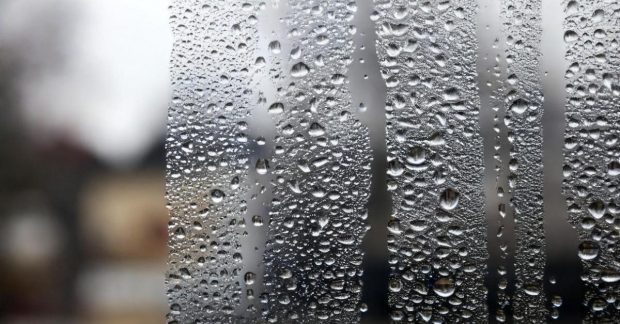
As temperatures drop, Bucha residents are increasingly facing 'crying windows,' a phenomenon that can lead to mold and interior damage.
 🧠AI Analysis
Photo: UNIAN
Key points
- Condensation is caused by temperature differences and high indoor humidity.
- Increasing heat without ventilation does not remove water vapor from the room.
- Mosquito nets and many indoor plants can worsen window fogging.
With the arrival of autumn frosts and the start of the heating season, residents of Bucha are noticing moisture accumulation on the inner surfaces of window glass. This phenomenon, known as condensation, is more than just an aesthetic issue; it signals an imbalance in the indoor microclimate. When cool air from outside meets warm indoor air, moisture transforms into water droplets that settle on the coldest surface—the glass.
The Physics of Condensation and the 'Dew Point'
Experts explain that the key factor in this process is the so-called 'dew point.' This is the temperature to which air must be cooled to become saturated with water vapor. Upon further cooling, the vapor inevitably turns into water. In enclosed spaces where heating is active, the temperature difference between the outdoors and the room becomes critical, triggering the fogging effect.
'This phenomenon becomes more noticeable as winter approaches and it gets colder, and we turn on the heating in our homes,' experts noted.
It is important to remember that simply increasing the radiator temperature does not solve the problem. While relative humidity may decrease slightly when heated, the water vapor itself does not disappear from the room. Without proper ventilation, moisture continues to build up, creating an ideal environment for mold growth on window frames and walls.
Practical Steps for Maintaining a Healthy Microclimate
- Humidity Control: Specialists recommend purchasing a hygrometer for every room where the problem occurs. This allows residents to know exactly when moisture levels exceed the norm.
- Plants and Household Habits: A large number of indoor plants in a small room or frequently drying wet laundry on indoor racks significantly increases vapor concentration in the air.
- Window Maintenance: It is crucial to remove mosquito nets during the winter months. They create an additional barrier to air circulation near the glass, which promotes faster water condensation.
Experts also highlight the role of air conditioners. Proper settings can not only improve the feeling of warmth but also help avoid excessive energy consumption, which is critical for the region's power grid during winter. Regular, brief ventilation remains the most effective way to remove excess moisture from the home.
Source UNIAN — unian.ua/curiosities/yak-pozbutisya-kondensatu-na-viknah-uzimku-eks… ↗
Read next
 👥Society
Autumn Rose Care: Expert Advice for Gardeners in Bucha
Experts explain why it is best to avoid radical pruning of roses until stable cold weather arrives.
 🇺🇦Ukraine
Estonia affirms Ukraine's right to self-defense following Gulf of Finland incident
Estonian Foreign Minister Margus Tsahkna stated that the strike on a Russian vessel is a consequence of Russia's war, upholding Ukraine's right to defend itself.
 🛡️Security
Rescue operation in Dymer: 89-year-old woman pulled from rubble
Search and rescue operations continue in Dymer, Kyiv region, after a drone strike on a residential building. The death toll has reached nine.
 🛡️Security
Russian corvette 'Merkury' in Libya: potential strike by Ukrainian drones
An explosion occurred on board a Russian military vessel in the Libyan port of Benghazi, with reports linking the incident to Ukrainian marine drones.
 🛡️Security
Russia tests NATO algorithms through airspace violations, expert says
Retired Ukrainian Colonel Dmytro Kashchenko stated that Russia uses drone and missile incidents within Alliance territory to test NATO's readiness.
 🇺🇦Ukraine
Climate Threat: Scientists Revive 40,000-Year-Old Bacteria from Permafrost
Researchers from the University of Colorado have discovered that microorganisms from permafrost can reactivate after thawing, potentially accelerating global warming.