Geographical discoveries: why Everest is no longer considered the planet's highest mountain
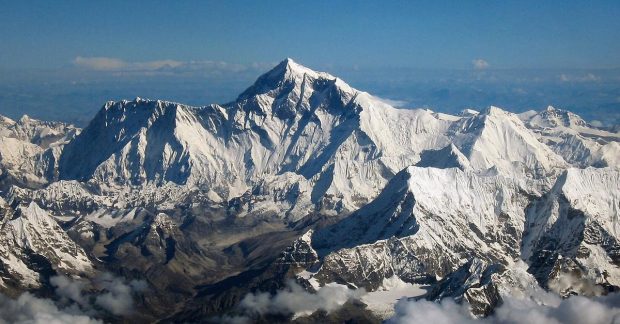
Scientists have re-evaluated Everest's status, recognizing the Hawaiian volcano Mauna Kea as the Earth's highest point when measured from its base.
 🎓Education
Photo: UNIAN
Key points
- Mauna Kea is 1,300 meters taller than Everest when measured from the base
- The total height of the Hawaiian volcano is about 10,200 meters
- Mauna Kea is a hub for global astronomical science
- Science is constantly evolving, changing old perceptions of the world
Traditional geography textbooks have long identified Everest as the absolute record-holder for height. However, modern measurement methods allow us to view the planet's relief from a different perspective, taking into account not only the elevation above sea level but also the total extent of the mountain range from its base.
A new leader among mountain giants
According to data from the US Geological Survey and the Guinness Book of World Records, the title of the highest mountain belongs to the Mauna Kea volcano in Hawaii. Although its peak rises only 4,205 meters above sea level, the bulk of the mountain is hidden beneath the ocean. The total height of the object from the ocean floor reaches about 10,200 meters, significantly exceeding Everest's metrics.
The name of the mountain translates from Hawaiian as "White Mountain," due to regular snowfall at the summit. Despite being considered dormant—with its last eruption occurring about 4,500 years ago—it remains a subject of intense scientific study and an important cultural symbol for the local population.
Educational aspect and tourism
Beyond its scientific significance, Mauna Kea has become a global center for astronomy due to the powerful observatories located there. Tourists can also visit the summit, though it requires specialized transport and prior acclimatization at an altitude of 2,800 meters. This discovery serves as a reminder to pupils and students that science is not static and that knowledge requires constant updating based on new research.
Source UNIAN — unian.ua/curiosities/yaka-gora-ye-nayvishchoyu-na-zemli-vidpovid-ne… ↗
Read next
 🛡️Security
Tragedy in Dymer: Death toll from enemy strike rises to eight
Rescuers have recovered the body of the eighth victim of the Russian shelling in Dymer. Search and rescue operations at the site of the destroyed building are ongoing.
 👥Society
Clash at Kyiv Pechersk Lavra: Police Launch Investigation
A physical altercation occurred at the Kyiv Pechersk Lavra as individuals disputed the use of religious property.
 🏙️City
Civilian Evacuation: ISW Assesses Humanitarian Corridor Proposals
Analysts from the Institute for the Study of War explain the difference between Ukraine's evacuation proposals for frontline zones and Russian initiatives.
 🛡️Security
Oil refinery attacked again in Novoshakhtinsk, Russia
On the night of November 23, the Novoshakhtinsk oil products plant in the Rostov region was struck, impacting a key supplier for the Russian military.
 🏙️City
Debris of Russian missiles produced in late 2026 found in Poland
Fragments of Russian Kh-101 cruise missiles, manufactured just weeks ago, have been discovered in eastern Poland, prompting an emergency response from NATO.
 🏛️Politics
Russian missiles breach Polish airspace: incident details
Polish officials have accused Russia of deliberate provocation after missiles and a drone fell on the country's territory.