Microplastics in Water: New Research Reveals Hidden Chemical Threat
Scientists have discovered that microplastics can trigger chemical reactions in water, creating compounds that damage cells.
 👥Society
Photo: TSN
Key points
- Microplastics trigger chemical reactions in water
- Reactive oxygen species damage cells
- Heating plastic increases risks
Danger at the Molecular Level
An international team of researchers, including experts from Columbia University and the University of California, Berkeley, has identified a new hazardous property of microplastics. It turns out that these particles do not just pollute the environment but actively interact with water, triggering chemical processes that could be harmful to living organisms.
When plastic comes into contact with water, reactive oxygen species form on its surface. These molecules, including hydroxyl radicals, are capable of damaging DNA, proteins, and cellular structures. Polyethylene and polypropylene were found to be the most active in this process, while PET and acrylic showed lower chemical activity.
Practical Implications for Daily Life
Researchers emphasize that the risk increases as plastic items break down into smaller fragments, increasing the surface area available for reactions. In everyday life, this is exacerbated by heating food containers in microwaves or storing water in direct sunlight for long periods.
- Polyethylene and polypropylene are the most chemically active in water.
- Reactive oxygen species can damage cellular structures.
- Heating plastic accelerates the release of microparticles.
Source TSN — tsn.ua/zdorovya/mikroplastyk-vyiavyvsia-nebezpechnishym-niz-vvazaly-shc… ↗
Read next
 💼Economy
Labor market shortages: in-demand specialists and salary trends
Ukraine's labor market continues to face a severe shortage of blue-collar and technical workers despite competitive salary offers.
 🏙️City
The Philosophy of Restoration: Why Infrastructure Maintenance is the Key Challenge for Communities
Recognizing the importance of daily maintenance and repair of critical infrastructure is becoming a key aspect of survival for Ukrainian cities during the war.
 🚨Events
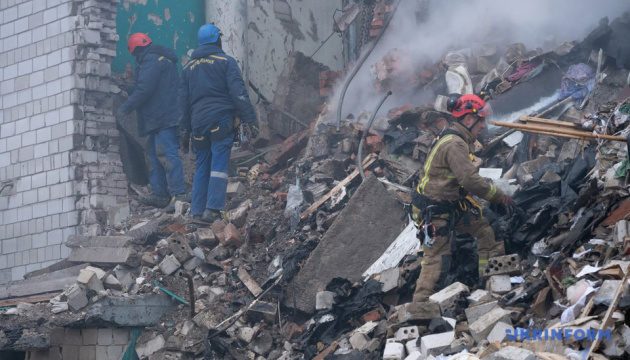
Live child rescued from rubble of destroyed building in Dymer
Rescuers pulled a child alive from under the rubble of a residential building in Dymer, Kyiv region, following a night enemy strike.
 🚨Events
Fresh Enemy Attack on Kyiv Region: One Dead and Several Injured in the Region and Bucha District
On November 22, another Russian attack on the Kyiv region resulted in one death and several injuries. Notably, the number of injured in Vyshneve, Bucha district, has rise…
 💼Economy
Czech Prime Minister Opposes Funding Ukraine Within EU Budget
Czech Prime Minister Andrej Babiš has criticized the EU's proposed long-term budget for 2028–2034, calling the inclusion of funding for Ukraine unacceptable.
 🎭Culture & Sport
Celebration Without Registration: Fake Weddings Trend Gains Global Popularity
A new event trend is spreading across Germany and internationally — staged wedding parties without legal registration. This approach redefines traditional celebrations an…